-
 Alterac Releasing Blu-ray Duplicator and Printable Discs[teaser]A new high performance Blu-ray writable media option has been released by Alterac.[/teaser] Alterac's new duplicator grade ink jet printable discs are now available, along with their Robojet Autoprinter of course. Perry Solomon, Alterac President and CEO stated “Responding to Prosumer demand, we are pleased to offer this new white inkjet printable, high performance BD-R 4x Blu-ray media” The discs will sell for around $200 for a pack of 25. With the popularity of the Blu-ray format, and with the cost to produce consistently lowering, it shouldn’t be too long before we start regularly seeing Blu-ray discs as promo materials.Posted Thu Jul 16, 2009 at 08:00 AM PDT by:
 -
 Pioneer’s Legendary Kuro Brand Not Completely Dead[teaser]It’s only a flesh wound! A revival is “theoretically possible.”[/teaser] Mike O’Mahony stated in a recent conversation with Tech Radar that the Kuro brand revival is “theoretically possible.” That might not seem like much, but plasma enthusiasts are already speculating on the revival of Pioneer’s unmatched televisions. The Kuro line of televisions are well known for their quality of picture, and the announcement in February that they would be discontinued was in many minds the death knell of Plasma television. Don’t get too excited though, as the return of the brand doesn’t necessarily mean the return of the TVs. As O’Mahony elaborated, "To my knowledge, there are no immediate plans to resurrect the brand. The plan for the moment is to focus on the core areas – audio is absolutely key. Maybe the Kuro brand is too ingrained in the flat-panel market – we're just not sure"Posted Wed Jul 15, 2009 at 12:00 PM PDT by:
 -
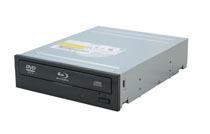 Lite-on’s $59 Blu-ray Drive[teaser]Blu-ray just keeps getting cheaper[/teaser] It’s official, we’re not buying that “Blu-ray is too expensive” excuse anymore. Sure, expensive Blu-ray players exist; they’re for people that know why they’re expensive and are willing to pay the premium. For the rest of consumer America, there’s the Lite-on internal Blu-ray drive. It’s not the fanciest thing in the world, and a lot of the video quality will be dependent on your computer. The drive doesn’t automatically make everything high def, you need to have a rig that can handle the appropriate resolution, but it’s not a bad option. The drive has an 8x read speed, a 250ms access time, and comes with Power DVD 8, and is available on electronics websites everywhere.Posted Wed Jul 15, 2009 at 11:00 AM PDT by:
 -
 Mitsubishi TVs Coming With Free Vudu Boxes[teaser]And $50 in credit to start your streaming experience.[/teaser] In the sales environment we’re in right now, every company needs to create a strong identity for themselves, separate themselves from the pack, and offer something the other guy isn’t. Mitsubishi found a way to do just that; starting July 16th, authorized Mitsubishi retailers will be packing a Vudu box with every Mitsubishi TV sold. “We simply wanted to provide a value-add bundle other than Blu-ray, something new and exciting for our retailers,” said Frank Martin, VP of Marketing at the company. In an environment when televisions will soon have built in streaming services as a standard feature, it will be interesting to see if the Vudu box will be enough to spur sales.Posted Wed Jul 15, 2009 at 06:00 AM PDT by:
 -
 Amazon To Purchase Netflix?[teaser]Stocks have seen a surge at the rumor of takeover.[/teaser] There’s quite a bit of talk about the purchase of Netflix, a video service that has grown substantially since it first started in 1997 and has seen significant increases in membership since the introduction of their streaming service. Of course, when one company is doing well, everyone else naturally wants to get a piece of that success. Enter Amazon. Essentially the Wal-Mart of the internet, Amazon parlayed an online book store into one of the biggest shopping sites on the net today. They offer products ranging from the aforementioned books to pacifiers, Blu-ray players, clothing, music, and even video on demand. Could it be that Amazon is looking to expand even further? Industry analyst Michael Pachter says no, and all because of sales tax. “Suddenly in a whole bunch of states Amazon finds itself taxable, it would kill their core business.” That doesn’t seem like a huge deal to most of us, but recently Amazon stopped ads in several states to avoid having to pay sales tax. More taxes mean higher prices, and that’s not what Amazon is about. Analysts agree that Netflix does seem to be in the position to be taken over, but the question is when, and by whom.Posted Tue Jul 14, 2009 at 01:10 PM PDT by:
 -
 Three Days Until Wireless HDMI Legal In UK[teaser]Wait, wireless HDMI wasn’t legal?! [/teaser] Never fear videophiles, the UK has your back. No longer will you have to avoid having your cop friend over for movie night, and you’ll be able to enjoy your home theater with the windows open without fear of someone seeing your illegal hookup. That’s right, for the few of you that have it, wireless HDMI will be legal in the UK this Friday. Ofcom, the British regulatory committee of such things, should be applauded for their quick action in getting regulations ready for the new technology. After a relatively quick process, and with a few necessary exceptions regarding frequencies available for use, the UK is now ready for wireless HDMI. Of course, those that already have it and use it before Friday are still technically breaking regulations. Enjoy the rush, folks.Posted Tue Jul 14, 2009 at 12:10 PM PDT by:
 -
 All Sharp Televisions Will Be LED backlit by 2011[teaser]It's the future of HDTV according to Sharp.[/teaser] What will the next few years bring us as far as HD television goes? According to Bob Scaglione, Sharp’s VP of Marketing, LED backlit screens galore, OLED (eventually), and a niche plasma TV market. Said Mr. Scaglione in a recent conversation with CNet, "We have very aggressive plans to integrate LEDs (light-emitting diodes) in our entire HDTV product line. Sharp plans to be 100 percent LED. By 2011, the entire Sharp product line will feature LED-backlit displays." Aggressive is right, but these tactics could certainly pay off big for Sharp in the long run. Of plasma technology he said that most companies had “seen the light” and made the switch, but that one or two would surely remain to cater to the customer base. When asked about OLED and the possible effect on the LED backlit display market, Scaglione stated that “based on price, [OLED is] prohibitive. OLED has an opportunity to be a contender, but for the foreseeable future, it's LCD with an LED backlight that will lead the way”Posted Mon Jul 13, 2009 at 12:50 PM PDT by:
 -
 New TV Bill Seeks More Local Channel Availability[teaser]Aims to help orphan counties get home town programming. [/teaser] In a recent bill introduced to the House of Representatives, Mike Ross of Arkansas is pushing to make more local options available to people who otherwise wouldn’t have them. Those living on state borders are often lumped into satellite and cable packages that don’t offer their specific local programming. Mike Ross’ Television Freedom Act looks to change that. If successful, the bill will allow satellite and cable companies to provide adjacent market local TV stations in these split markets. Sounds good for the consumer, but content providers aren’t as excited. They say that allowing local channels to be carried over like this would create duplicate programming; except DirecTV that is, who are standing in support of this bill. Not mentioned at the moment is whether the bill targets HD channels or not, and what that might mean for signal quality and pricing. More information, as well as a copy of Ross’ letter sent to fellow congressmen about his intentions can be found here.Posted Mon Jul 13, 2009 at 11:00 AM PDT by:
 -
 Food For Thought – Could analog video ever be like analog sound?[teaser]You’ve never seen Ghostbusters until you’ve seen it on VHS! [/teaser] In the last forty years we’ve come a long way. We’ve witnessed the mass market success of the VCR, and the concept of a home theater. We’ve seen the introduction of Laserdisc, quickly followed by the advent and success of DVD. Our television now comes in high def and our Blu-ray discs provide us with unsurpassed video quality. But what of the old technology? It’s near impossible to talk audio formats without the analog vs. digital argument coming up. Tube receivers still have quite the following, and specialty stores around the globe make a killing scooping these up from garage sales and pawn shops. But perhaps the biggest hold out of them all is the vinyl disc. The cracks and pops seem to add to the charm, and audiophiles can’t get enough of that warm, soulful analog sound. It seems strange that vinyl should be such a sticking point; even modern bands such as Nine Inch Nails and Radiohead still release vinyl records to this day. VHS on the other hand, is officially dead. Why, when it comes to video, do we jump to the next greatest thing without holding on to what came before? Are we less willing to accept the visual ‘cracks and pops’ or is it simply, as David Hutchinson of Times Online ponders, that we’ve lost our sentimentality. “Vinyl was never convenient,” he says, “but love is exactly what is missing from media now. The convenience of digital music and films has also made the formats impersonal.”Posted Mon Jul 13, 2009 at 09:30 AM PDT by:
 -
 Microsoft Silverlight 3 Promises Simpler, Faster, and Better High Def Streaming[teaser]And a boost for online video providers, finally able to offer true 720p[/teaser] Microsoft unleashed the full version of Silverlight 3, the most recent edition of their Flash like application, on July 9th, and the internet is abuzz with the possibilities. Before we get into the nitty gritty of the exciting niche applications, here’s the big news: full 720p playback. Sure it’s almost certainly at a bit rate far below that of Blu-ray and almost certainly behind most TV channels, but it’s a good start. Users will have a much more fluid experience with the aptly named “Smooth Streaming”, which will act to ensure an absence of stutters and loading times by making smart use of buffering. Also exciting are the possibilities of using Silverlight outside of the browser. Having a Netflix application for example, rather than logging on to a website, could be a very big deal in the future.Posted Mon Jul 13, 2009 at 08:30 AM PDT by: