-
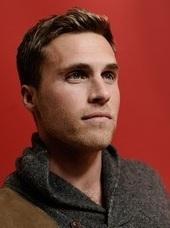 Sundance 2012 Interviews: CEO Logan Mulvey of GoDigitalby Luke Hickman As we all know, digital media and on-demand content are changing the way we watch movies and television. A major player in this technical transition is GoDigital, one of the growing companies that's making VOD (video on demand) content available today. Leading GoDigital is Logan Mulvey. In the past, Sundance films deemed unworthy of acquisition and theatrical distribution never saw the light of day after closing night of the festival, but now that it's so easy to stream digital video content, those films – as well as the bigger mainstream ones – are finding a home on the internet. GoDigital is actively pursuing becoming the digital distributor of these titles. [teaser]In a search for new content, GoDigital has been present at Sundance, and CEO Logan Mulvey took some time to tell me about his company, the future of the medium and the battle against piracy.[/teaser] HDD – Luke Hickman: Logan, you're 27 and at head of one of the fastest growing digital media companies right now. Logan Mulvey: (laughs) No. No. There's people out there much smarter than I am. HDD: But looking at what your company is doing – and in such a short period of time – it's impressive. You have over 1,000 titles now, right? Logan Mulvey: Right. We have a library of over 1,000 titles now. Two weeks ago we acquired Might Entertainment, that's where we got 750 of our 1,000 titles – from the Kino Lorber library. HDD: I reviewed one of their Blu-rays recently – 'Rapt.' Logan Mulvey: Yeah! We put that one out. We do all their video – digital and on-demand. And we also just got a Lionsgate output deal for all of their home videos, so if we wanted to utilize the Lionsgate machine, we can put movies out through them as well now. Our deal will allow us to give them our product occasionally. They are looking to us to supply some video-on-demand content. HDD: That's a great partnership! Logan Mulvey: Yeah, the Might [Entertainment] guys were really smart at locking in that deal. Before we acquired them, we were much more focused on the technology side and the workflow side because we wanted to get to the place where we could sell and actually deal with 1,000 titles in a cost-effective manner, so we built a software program called Content Bridge which manages all of the movie assets – the actual physical digital media, the compressed mezzanine file – and we built the cloud, manage the asset and deliver to all of the partners from that single pane of glass. Point, click, deliver. It does all of the transcoding in the back end and delivers right into iTunes. HDD: Awesome. With everything going digital, where do you foresee the future of the medium? Logan Mulvey: I think TVs are going to continue to get bigger and cheaper and high-speed internet is going to become more and more prevalent – everybody is going to have it at some point – and there's going to be four or five platforms where people consume everything. I'm thinking the big boys – Apple, Google, Amazon, Microsoft, and Sony – will be trying to fill that entertainment gap. HDD: With piracy being such a major issue right now, I've got to ask you how you plan to combat it. There are open source programs out there that only require the touch of a button to record anything that appears on your screen. How do you fight that? Logan Mulvey: For us, the shutting down of the peer-to-peer networks is a huge win. That is the start of the snowball that needs to effect the change. I think it's a generational gap where people under 20 years old don't even feel like sharing a file on the internet is stealing because that's just been commonplace since they were on the internet, their tablets, or whatever. HDD: They've never had to buy the albums or the DVDs. Logan Mulvey: Exactly! They've never had to pay the $17.99 for a CD that had one good song on it. We need to start educating the youngest and make sure that they understand that it's intellectual property and that it costs you money. HDD: Since GoDigital has been around, have you noticed the effects of piracy in your own business? Logan Mulvey: We try not to think about it. HDD: Sorry for bringing it up. Logan Mulvey: It's ok. It's everywhere right now with SOPA and PIPA. Business would surely be up if this wasn't a current issue. We just need to focus on supplying high quality content to the platforms that are legal, that cost money to purchase. This way we can give money back to the filmmakers and they can continue to make films for us to enjoy. HDD: What are some of the companies that you are currently working with? Logan Mulvey: Netflix, Hulu, iTunes, Amazon, X-Box, PlayStation, Time-Warner, Cox, Comcast, and so on. HDD: Since the merger, what's new? What's in development? Logan Mulvey: We're going to be acquiring movies here at Sundance and at the rest of the festivals. We're going to continue to monetize the 1,000-title catalog. And we're going to continue to deliver high quality cinema. I think right now it's about 100 million homes that we're getting into. HDD: So you have folks here [at Sundance] right now attending screenings and looking for new content to purchase? Logan Mulvey: Yeah. There are three or four people doing acquisitions as we speak. I haven't seen one movie and probably won't get to. HDD: You won't? Logan Mulvey: No! It's so lame. HDD: You'll own a bunch in no time so you'll see them soon anyways. Have you acquired anything here so far? Logan Mulvey: We've lobbed up some offers, but we haven't locked anything in yet. We're trying to stay competitive, so we'll continue to make offers on things that we like. HDD: Is there a certain genre of content that you're interested in? During the Press & Industry screenings, there are often walk-outs by industry acquisition folks when a movie takes a turn in a direction that studio doesn't usually want to represent. Is there anything is specific that you're looking for? Logan Mulvey: We're looking for anything. I know this sounds broad, but we are literally looking for anything good. We give everything a chance. We have foreign, horror, documentaries – we really run the gamut.Posted Fri Feb 3, 2012 at 10:30 AM PST by:
 -
 Vizio Announces $3,499 MSRP for 58" 21:9 CinemaWide TV[teaser]The real mystery is the price of the 70" version. [/teaser] If you love pulling out old 4:3 VHS movies, this TV isn't for you. If you focus primarily on videogames, this set isn't for you. If you're a movie lover however, you'll find something to love in Vizio's CinemaWide series. The TVs earn their moniker based on their 21:9 aspect ratio, which comes out to 2.33:1 - essentially the same as the 2.35:1 used in theatrical releases. CinemaWide sets feature a 2560x1080 resolution and upscale Blu-rays to fit. Vizio has revealed a $3,499 price for the 58" set, though we'll have to wait for pricing on the others. A $3,000 price point on the 50" model would put it in line with the 21:9 offering from Philips. The price for the 70" model is hard to estimate at this point, but don't expect it to be cheap. Source: EngadgetPosted Fri Feb 3, 2012 at 09:00 AM PST by:
 -
 UFC Going 3D - WWE May Follow Suit[teaser]The 3D version of UFC 143 will be a $10 premium over the HD version, which is a $10 premium over the SD version. [/teaser] This weekend will be the debut of UFC's first 3D pay-per-view event. UFC 143 will let you enjoy matches like Kosheck vs. Pierce, Nelson vs. Werdum and Diaz vs. Condit in full 3D. The event will cost $64.99, a $10 step up from the HD version. Just after the UFC announced a 3D event, World Wrestling Entertainment started looking into 3D event plans of its own. The WWE won't have 3D ready for April's Wrestlemania, but is instead looking forward to a possible 3D broadcast of Summerslam. Sources: Home Media Magazine TWNP NewsPosted Fri Feb 3, 2012 at 07:00 AM PST by:
 -
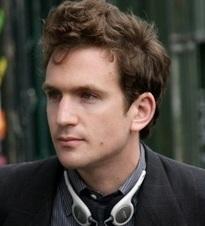 Sundance 2012 Interviews: 'Frank & Robot' Director Jake Schreierby Luke Hickman Just like his friend and collaborative screenwriter Christopher Ford, Jake Schreier is a first-timer at the Sundance film festival. He and Ford grew up in the same part of the bay area and became friends at NYU film school. 'Frank & Robot' is also his first fully produced feature length film. [teaser]Just a day and a half after the world premiere, right before the film was picked up for distribution by Sony Pictures Worldwide Acquisitions and Samuel Goldwyn Films, Jake sat down with me to talk a little bit about 'Frank & Robot' and his filmmaking experience.[/teaser] HDD – Luke Hickman: I was at the premiere of 'Frank & Robot' in Salt Lake City the other night – awesome movie. Jake Schreier: Thanks! HDD: This is your first feature, right? Jake Schreier: Yeah. There are a lot of firsts here. It's my first feature film, [Christopher] Ford's first feature film, and the production company's first feature film. First-time cinematographer, first-time DP, and first-time composer. HDD: For being a first, it's fantastic – especially when you look at the abbreviated time frame in which it was conceived. Jake Schreier: Yeah, but that's probably true of a lot of other movies here at Sundance. We're probably not too unique in that regard. I actually think that 'Bachelorette' shot after us. They used a lot of our crew – and our James Marsden. HDD: You crew is awesome at multitasking – now they can get double exposure during the same year at Sundance. There's a lot of folks doing that here this year. Jake Schreier: From our movie, James Marsden has two movies here and Susan Sarandon has three here, even though she's not physically here in person. HDD: Is she out filming? Jake Schreier: I think she's shooting 'Cloud Atlas' with the Wachowskis. Have you heard anything about that one? HDD: I just saw some concept art that went online that looked pretty amazing. Jake Schreier: Right! HDD: I like those guys. I even defended 'Speed Racer' when that came out. That's how much I enjoy their movies. Jake Schreier: (laughs) HDD: Back to 'Frank & Robot.' You and Christopher Ford have been buddies for a long time, how is it working together? Has it always been a working friendship? Jake Schreier: Kind of. We became friends in film school and have always had fun making movies together. We had this big group of friends in college and we all worked together, so it wasn't always just about the work. HDD: And you worked on the short film version of 'Frank & Robot' with Ford too, right? Jake Schreier: (laughs) Yeah. I produced – which in film school doesn't mean very much. It basically means that it was my uncle's house that we filmed in. That was the big thing that I brought to that table. I had to earn my credit. HDD: (laughs) Jake Schreier: A lot of people have said, "You should put the short film on the DVD of the feature film." We say, "No, no, no, no, no! Let's not give the illusion that we were brilliant filmmakers in college. It's pretty bad to go back and watch the version that we made." HDD: But some of us love seeing those types of special features – even if they are bad! Jake Schreier: It would be very humbling to put that on there. Maybe we should just put it on YouTube so it's not completely attached to the feature film. HDD: What's next for you now? Jake Schreier: I've been so focused on getting this thing done – since it's been such a rushed film – that I don't have anything locked in yet. I have some ideas, but I'd like to get this finished before getting into my next project. HDD: Do you write also? Jake Schreier: Nope! That's why I have Ford. HDD: Do you guys foresee a future of working together? Jake Schreier: Yes! It was fun for me to be able to be there developing the script from the beginning and getting a sense of how it works. Ford, from what I hear, is much more involved in the production than other writers. He was on the set everyday. He was almost like my story-checker. He had this list of key moments in each of the scenes, and it's such a rush making a film this way that checking in with him about each moment kept us on track. He would let us know if he got the key story moments that we needed. Having him around was a huge help. But I guess it works different ways within the industry. You hear these stories of directors saying, "You gotta keep the writer off-set!" They'd push him away once they got the script out of his hands, but Ford and I worked together on the film the whole time. If only I could have gotten him away from the craft services more. (laughs) I got very skinny during production and he gained weight. HDD: (laughs) You've got to take advantage of it when it's available to you. That's what I'm doing the whole time I'm up here at Sundance. Jake Schreier: Oh, yeah. HDD: Having lost weight, how stressful was the shoot on you? Were the days long? Jake Schreier: No more than any other union production. We didn't really go into overtime but maybe by half an hour or an hour here and there. We pretty much kept to the schedule. We worked in a way that was pretty smart that allowed us to stick to the actual schedule rather than hoping for the best, trying to shoot too much and not getting everything that we needed. We took a smart hack-saw to the script and cut it down to the really just the minimum of what we needed because that's what we knew we could achieve properly in the limited time that we had. It's better to do that than miss out on some other things. If we'd stretched ourselves too thin, we could have missed out on some opportune moments. HDD: How hard was that to cut it down? Jake Schreier: It was really more of a writer's challenge, but it made things better. Too many times we want to strive for limitless freedom, as much freedom as possible. But there isn't necessarily a great track record for those who get to have that freedom. I think that there can be inherent problems in having no limitations because that lack of limitation can force you into a bad way of thinking. Film is such a compromised medium to begin with. Unlike writing a book, you have to compromise on everything because you have to do it all in real life. Everything – like rain in a shot or no rain in a shot – is all working on compromise. Finding a way to make things better it an important part of the process.Posted Thu Feb 2, 2012 at 01:30 PM PST by:
 -
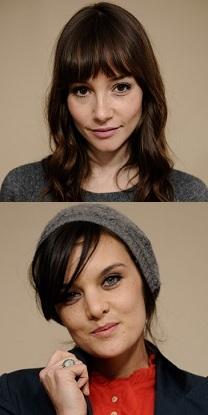 Sundance 2012 Interviews: Jocelin Donahue and Frankie Shaw of ''The End of Love'by Luke Hickman In Mark Webber's 'The End of Love,' Webber plays a version of himself who's coping with the passing of his girlfriend, the mother of his two-year-old son. The film stars Webber and his real son Isaac. Frankie Shaw is the mother of Issac and appears in flashbacks as Isaac's mother. It's fun because Issac's parents are played by Issac's real-life parents. Jocelin, however, is one of the few actors in the film not playing his/herself. [teaser]After speaking with Mark Webber about his directorial debut at Sundance, I was given the opportunity to speak with Frankie and Jocelin about their roles in the making of 'The End of Love.'[/teaser] HDD – Luke Hickman: Frankie, as a mother, how hard was this process – allowing Mark to use your child as the driving force in his film? Frankie Shaw: Do you want an honest answer? HDD: Completely honest. Frankie Shaw: So, I read the outline. It was six pages. And I thought it was like. "Whatever – this totally isn't going to happen. This isn't going to be a real movie. This is someone with a little 5D camera – which doesn't even look like a camera – and you're shooting Isaac being Isaac." That's totally what I thought. And then I watched a rough cut – cut to eight months later – and I had a mini freak-out. Part of me thought that I'd turned a blind eye. So I talked with Mark a lot about it and what the film meant. And really, the one scene that I had trouble with was the camping scene. I had to process feelings of "was I a neglectful mom?" We talked though it and he assured me that [he didn't do anything damaging to Isaac]. As you see in the film, Isaac is crying and every time I see it, I'm uncomfortable. HDD: Probably just as uncomfortable as when you're a parent and you - Frankie Shaw: - you do something that makes them uncomfortable. Right! And here's the thing: you can't be a perfect parent. And it's about learning and understanding your motivation and your intention and possibly making a better decision next time and making amends for a mistake. I think it's really valuable for our children that you can say, "Honey, I'm sorry that I was upset this morning. I didn't get much sleep. I'm gonna try to engage with you now and be present with you." HDD: And they're so forgiving. Frankie Shaw: And they're like, "Ok, Mom. I love you. Let's play fireman!" HDD: It's the best. Frankie Shaw: Oh, yeah. HDD: After about ten minutes of watching the film, I said, "This has to be Mark's kid. There's no way that this little guy is an actor." Had it not been Isaac, the movie would not have worked. Frankie Shaw: And Isaac is a special little kid. HDD: He's awesome! And it's so cool because every parent will connect with it. Now, Jocelin, how is it playing yourself in a movie – well, a version of yourself? Jocelin Donahue: I was [playing] a character [in the movie] because I'm playing Mark's ex-girlfriend, yet we've never been in a relationship before. I would never leave someone so cruelly as she does! If someone said, "I have a kid," I'd never say, "Ok, I'm outta here!" That's not who I am, but that's who the character is. She's an actress type playing a little more ambitious – you know, hot-shit – than I am in real life, but that was fun being able to play that kind of character. But at the same time, my name is Jocelin too and I'm in there somewhere. HDD: Do you fear that might tarnish your image? You come across as so cool when we first meet you, but then turn cold quickly? Jocelin Donahue: I don't think so. I feel like she comes across like, "Oh, we're catching up and you're gonna say you have a kid in the middle of kissing me? And you're gonna tell me you love me? Why don't we go get dinner first?" HDD: I think she's cool until that point, then it all turns around. Jocelin Donahue: Yeah, I'm definitely in a more vulnerable position to be playing a version of myself than to be reading lines that someone else wrote for you. But I just trust Mark so much. He is really such a truthful storyteller that that's just part of the story. It has to be there and I'm grateful that I got to play that role. Frankie Shaw: You know what's really cool about her part is that it's the only part that anyone auditioned for. Everyone else was someone that Mark knew and this part was someone that he knew, but she was pregnant and couldn't do it. So it's actually a strong testament to Jocelin that she got the one part that needed to be filled. HDD: You were found worthy to join. Very cool. I didn't know that. Jocelin Donahue: It was really cool. I have to say that it wasn't a traditional audition because there was no script to audition. It was just me meeting Mark and talking about who I am who he is and what he wanted to do. And then on the day of the shoot – there were a couple nights where we shot those scenes – we just had to throw it all together and create a back story and be intimate in a way that tries to show people who have been in a long-term relationship before. It was thrilling, the excitement of that scene and of the process was just really creatively wonderful. HDD: Had you done any work without a script prior to filming 'The End of Love?' Jocelin Donahue: No. This was the first time. HDD: And this was completely unscripted, right? You just had bullet-points on what needed to happen in each scene? Jocelin Donahue: Exactly. There was the goal, the scenario, the set-up and what had to happen in the end – him saying, "I have a kid," and me saying, "I'm outta here." That was it. HDD: Wow. Did Mark direct you to act the way you did, or was most of that improvised too? Jocelin Donahue: It's like Frankie was saying – somewhere between feeling bad for him, realizing that he's drunk and maybe we shouldn't be doing this right now - that we're going too far - so it was kind of a fine line between being cold and being the ambitious actress character. HDD: Do you believe that Jocelin, the character in the movie, would have been with Mark has this not been the case? Jocelin Donahue: I hope that you can feel the love that we had before, but she's just in a different place in her life and she can't deal with someone who has a kid right now. Maybe that's too overwhelming to deal with. HDD: Thank you. Is this your first time here at Sundance? Jocelin Donahue: This is my first time. Frankie Shaw: I was here in 2010 with 'The Freebie,' which was with Katie Aselton and Mark Duplass. And that whole movie was improv too. But that's it. This is my second time here. HDD: So, Jocelin, being your first time, how's the festival going? Jocelin Donahue: It's so exciting to be here. It's every actor's dream to be part of Sundance. This is the goal of independent filmmaking – to get here and celebrate what Sundance is. HDD: I'm sure we'll see you both back here again soon enough. Do you two have anything lined up that might see here next year? Frankie Shaw: I leave tomorrow to shoot this indie [film] in Texas, a really dark story about this very hick family with a matriarch that's overpowering everything. The son has cerebral palsy and I play this fucked-up daughter that just went through a tragedy. This guy comes to town and as a local farmhand and sort of shakes up the family. HDD: Is the goal to get that playing here next year? Frankie Shaw: Let's hope! HDD: What about you, Jocelin? Jocelin Donahue: I worked on a couple of other films that we're waiting to see where they go – one called 'Free Samples,' a comedy with Jess Weixler as the lead. She's super funny. And then I did this other called 'Live at the Foxes Den,' where I sing. It was my first time auditioning with a song and performing a song, so that'll be exciting. HDD: Do you sing? Jocelin Donahue: In the shower (laughs) and karaoke. It was nerve-wracking up to the point of doing it, but on the day of shooting it, I had a lot of fun. Both films are just being finished now, so hopefully we'll hit the festivals soon. HDD: Well, hopefully I'll both of you back here next year. Thank you! Frankie Shaw: Thank you! Jocelin Donahue: Thank you!Posted Thu Feb 2, 2012 at 12:30 PM PST by:
 -
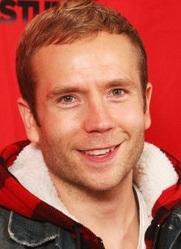 Sundance 2012 Interviews: 'The End of Love' Star and Director Mark Webberby Luke Hickman Mark Webber may not be a household name, but if you're a fan of 'Scott Pilgrim vs. the World' or keep a finger on the pulse of indie filmmaking, you definitely know who he is. This year he's not only starring in three films at the festival, but he wrote and directed one of them, 'The End of Love,' with his toddler son as his co-star. Just about every one of the actors in the film plays a character version of his/her self, including Michael Cera, Jason Ritter, Aubrey Plaza, Amanda Seyfried and many more. [teaser]The day after the film's world premiere, Mark sat down with me to talk about what went into making his experimental film, why it works and - of course - I bring up 'Scott Pilgrim.'[/teaser] HDD – Luke Hickman: Correct me if I'm wrong, but 'The End of Love' is the first film you've brought to Sundance as a director, right? Mark Webber: This is the second film I've directed, the first one here as a director though. Right. HDD: I saw the film yesterday and absolutely loved it. Mark Webber: Thank you! HDD: It's one of those extremely personal films that, as a parent, it's just as real as life. The opening scene, watching Isaac wake up, rub his eyes and kick you in the ribs to wake you up, is awesome. I've got two daughters and watching that just made me miss them. Mark Webber: Right?! HDD: What a great way to open the film. You had the audience connected and laughing from the first shot of the movie. It's touching. Mark Webber: Thanks, man. HDD: How did you capture these moments on film? Mark Webber: Isaac was two-and-a-half when we filmed and I basically had a really awesome kind of rehearsal experiment process. The whole film was very experimental – the way it was made. I basically had my director of photography come over and spend a lot of time with Isaac. We shot on these small Cannon 5D cameras - which were very discreet - and I just had him come over and spend time with me and my son to "make some videos." We did this basically every day until it was normal. HDD: Did it take long to capture footage that was useable, or did he adjust to it quickly? Mark Webber: It was kind of right off the bat, pretty magical. I'll tell you why – the biggest thing is because I'm always there with him, so being there as his dad allowed me to really key in on his mood and rhythms. I built the whole movie around him, so basically, we shot on his schedule depending on how he was feeling. "Today he's a little crankier, so it would be better to do this scene." You know what I mean? HDD: Yeah, he was the star. Mark Webber: He was the star! The whole thing was made around him and in that way we were able to get perfect access. We were able to get the camera right here (holding his hand just inches away from his face) for some of those shot. The opening sequence that you talked about, when he's eating cereal, the camera is right in his face – and he doesn't even look at it. It was magical. HDD: While watching it, I was wondering, 'How did he get this performance out of this kid?' Then, at the Q&A afterward, I realized, 'This is his kid!' Mark Webber: (laughs) I love to work with a feeling like we're not making a movie – even when I've made traditional films. As a director, I was able to create this environment that allowed me to live in-character and to strip everything away so it was about me always being there and present. And as a filmmaker, I had to make sure that the story points were right, creating the stakes and the tension for the scene, so that what we would do between me and my son would be just right. We shot a lot of stuff. The conversation at the end about life and death was done in one take with two cameras and it was not something that I was going to repeat because it would be weird. As a father explaining how things live and die - when this was just starting to come into his consciousness - wasn't something that I wanted to repeat. We've got only one time to do this. And how this translates on-screen is awesome because it's real. HDD: The Isaac stuff is all real, but how about the other fictional stuff with your character? It's said that you write what you know – where did you get the rest from? Mark Webber: You know, basically this movie is just about relationships and human interactions and the vulnerability between the two. The interaction between the other woman in the film is sort of drawn up by past experiences. Using my other friends to play versions of themselves made it a fascinating process. HDD: Are you a single parent? Mark Webber: Yeah. Frankie, the mom, is in the film. She's in the very short flashback sequences. HDD: So those are real home videos shown in the beginning? Mark Webber: Yeah. That Bright Eyes song that was playing in the beginning, "The First Days of My Life," that was playing in the room. That's not something that I added in. Then I had to go and get the rights from Bright Eyes. "Listen, this was playing in the room when my son was just a year old. Do you know how much this means to me?" The mixture of that with the other cinematic elements and blurring it, for me, was just so rewarding as an artist. HDD: One thing that I really enjoyed was how the other actors play themselves – or better put, characters of themselves - Mark Webber: Just so you know, Michael Cera is not like that at all. His place that he lives in so much more humble. (laughs) He does not live in a glass mansion. HDD: Does he carry a gun around? Mark Webber: (laughs) No. He does not carry a gun around. He's not like a dick like that. We wanted to have fun with that, to poke fun at the version of what a young Hollywood star would be and how they're perceived. HDD: I'll tell you, being a 'Scott Pilgrim' fan, it was a whole lot of fun to see a big part of the cast of reunited. Mark Webber: (laughs) I know, right?! HDD: I was watching it, constantly pointing at the screen saying "Look! There's – oh, and she's here too! They're all here! Mark Webber: (laughs) That was cool, right? HDD: What's really funny is that while I was watching all of you in the Q&A after the premiere, a buddy was riding a bus on Main Street with Mary Elizabeth Winstead. He text me saying, "I'm here with Ramona while you're there with the rest of them." Mark Webber: Yes! That's so cool! HDD: If you'll let me geek out for a second, one of my favorite lines from 'Scott Pilgrim' is when Crash and the Boys are playing and you've got subtitles on the screen - Mark Webber: (laughs) Oh yeah! HDD: - while saying, "Dammit, Scott! You're freaking me out!" Mark Webber: (laughs) I know. I know. That movie was so cool. HDD: Back to the topic – what's next for you? Mark Webber: What's next is I'm doing a film called 'Panarea' that friend of mine Adam Mansbach wrote. He's a New York Times best-selling author. And my other friend Adam Lough is directing and we've worked together two other times on 'Bomb the System' and 'Weapons.' Jim Jarmusch is producing and I'm starring with Chloë Sevigny. HDD: Nice! Will we see you here with it next year? Mark Webber: Hopefully! That'll be the plan. HDD: Have you filmed anything that's yet to come out? Mark Webber: I actually have two other films here: 'Save the Date' is in competition - HDD: I'm actually supposed to interview you again in two days about 'Save the Date' - Mark Webber: Cool! HDD: - so don't say too much about it now. Mark Webber: (laughs) Awesome! There's that and 'For A Good Time, Call …' - another film in the premiere's category. HDD: I'll be seeing that during the Press & Industry screening on Wednesday. What can we expect from 'For a Good Time, Call …?' Mark Webber: I actually haven't even seen it yet. I just know that Lauren Miller and Ari Graynor are incredible. Ari is amazing, so expect a really funny movie. HDD:Awesome. Thanks again and I'll see you on Tuesday. Mark Webber: You bet! Unfortunately, Mark had to bail on the 'Save the Date' press day so that he could further promote his own film, 'The End of Love.'Posted Thu Feb 2, 2012 at 12:00 PM PST by:
 -
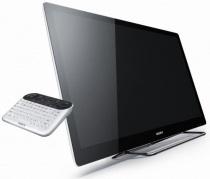 Sony Google TV Update Brings Faster Browsing and 3D Blu-rays[teaser]A Google TV update is on the way for Sony products and its especially cool for the Blu-ray player. [/teaser] Google TV is a platform that’s constantly evolving. Each new update brings added functionality – some of which is dearly needed. The latest brings a minor improvement to the company’s Internet TV and a big one to the Google TV powered Blu-ray player. The less exciting of the two updates is that of faster internet browsing. Chrome will move faster and that’s a nice benefit. Things get more exciting with the second. If you own Sony’s Blu-ray player with Google TV embedded, you’ll now be able to watch your 3D Blu-rays. Sony has added this kind of functionality in the past with the PlayStation 3 so it’s not a huge surprise to see them update another player. Source: EngadgetPosted Thu Feb 2, 2012 at 11:00 AM PST by:
 -
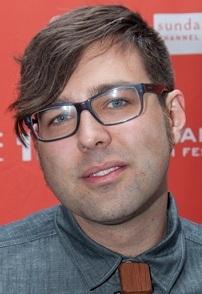 Sundance 2012 Interviews: 'Save the Date' Director Michael Mohanby Luke Hickman Each year there seems to be a reoccurring theme that pops up in films at the Sundance Film Festival. 2011 was all about fanatics and 2012 seems to have been heavily influenced by 'Bridesmaids.' 'Save the Date' is one of the many great R-rated female-centric comedic dramas at Sundance this year. Lizzy Caplan stars as an aspiring artist who has to take life in small steps. As if moving in with her boyfriend wasn't traumatic enough, when he proposes to her in front of a large crowd she freaks out and ends the relationship right there. Alison Brie plays her sister, the encouraging and supporting figure in her life. [teaser]Halfway through the festival, director Michael Mohan sat down with me to talk about the film, it's evolution, and film in general.[/teaser] HDD – Luke Hickman: Congrats on the movie! It's awesome. Michael Mohan: Thank you! HDD: For what it's worth, the response from the Press & Industry screening I attended yesterday was great. How's your Sundance experience been so far? Michael Mohan: Really good. We had our premiere two days ago and the second screening is later today. The Q&A was great and the reaction was great. I don't think we could have asked for a better response. HDD: Do you usually watch your movies with the general audiences? Michael Mohan: I did this time. You can't not watch it when it's at the Eccles (the largest theater at the festival with 1,270 seats). I'll be there. HDD: Did the audience respond the way you expected them, laughing in the right spots, etc.? Michael Mohan: Yeah. I honestly can't think of it going any better. And I give credit to [the cast]. HDD: I really enjoyed the Martin Starr character because I felt like he represented the audience – he's outside the conflict looking in and, aside from one part at the end of the movie, he's keeps out of it. It's really easy to connect with him. Michael Mohan: Thank you! HDD: I hope that's what you were going for! Michael Mohan: Absolutely! HDD: Your film is based around two female leads. Being a guy, was it hard writing them? Michael Mohan: You know what's funny? People have been asking me that, but it wasn't like we made a decision, "I'm a man and I'm going to write a movie about girls." The script was originally written by graphic novelist Jeffrey Brown and a playwright Egan Reich and I originally came on-board years after and sort of re-wrote the script with them. The characters already existed and I remember when I read the script for the first time, even though the characters were girls, I totally related to what they were going through. It's funny because that's a hot-button issue now – movies at Sundance with leading female characters. It's almost turning into a political sort of thing, like "Why are female character so en vogue right now?" - but that's how it should be! I think it's awesome. I'm excited for the next year because there are so many strong films here. If I can't see them here, I know they're going to come out and I can see them. A lot of us filmmakers here are friends too – like James Ponsoldt, the director of 'Smashed,' we've worked together. It's a good community. Even though we're in competition, I don't feel like we're going head to head. HDD: How much does being in competition play into the experience? Is that in the back of your head the whole time? Michael Mohan: For me, I'm just excited that the film is getting such great exposure. I was here a couple years ago. My film was in the Next category. It was great, nice to have this little baby step. Last year I was here with a short, so this year is my chance to be in competition. It feels like the natural step. In terms of the actual awards, being here is remarkable and I'm glad that the film gets to be seen. HDD: So the question is – what are you bringing next year? Lizzy Caplan told me how recently you shot 'Save the Date,' so you can crank out another feature by next year, right? Michael Mohan: Our producers have actually been working on 'Save the Date' for six years. I came on-board two years ago when I was here with my first film and [producer Jordan Horowitz] was here with his film. So I worked on the script for a year and we shot during the second year. As for next year, I've wanted to write some stuff, but I haven't had too much time. HDD: Instead of going the route of serious drama or tradition comedy, your film blends the two. There's a sense of realism at the core of 'Save the Date.' Michael Mohan: Absolutely. I think that was the goal. On-set, that's all we worked on. That was the thing – challenging the script to be as truthful as possible, even if that meant changing lines around or changing scenes around. [We did] exactly what the characters would do in that moment. It's a process. You write the script and try to make it as truthful as possible, but then while shooting it you have to adjust it to make it even more so. HDD: Can you talk at all about the budget you were working with? Michael Mohan: Our official statement is, "More than a little and less than a lot." (laughs) We got what we needed. To be specific, we shot over 21 days and it never felt like we had to compromise. We worked long hours, but not crazy long. And we shot the film specifically - like a lot of one-take scenes.Posted Thu Feb 2, 2012 at 10:00 AM PST by:
 -
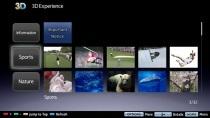 Sony’s 3D Channel Brings in 10 Million Views[teaser]More than a few people are interested in 3D, as it turns out. [/teaser] 3D TV sales may not be at their best here in the US, but people that picked up 3D sets from Sony sure seem to be interested in getting content for them. To date, Sony’s 3D Experience content channel has earned 10 million views. The channel, which is available only on Sony TVs and Blu-ray players, is now live in over 60 countries around the world, enabling access from virtually anywhere Sony TVs are sold. Source: Home Media MagazinePosted Thu Feb 2, 2012 at 09:00 AM PST by:
 -
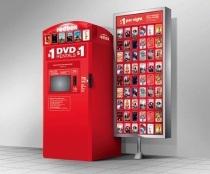 Redbox Ignores Warner Demands – Will Rent Movies Day and Date[teaser]Warner attempted to push Redbox's rental delay to eight weeks, but Redbox says no. [/teaser] Warner Home Entertainment isn’t cool with Redbox and Netflix renting movies as early as they do. Initially, the company offered these renters a nice discount for pushing their rental window to 28 days. This means that Redbox and Netflix were unable to rent movies to customers until four weeks after they were released on DVD and Blu-ray. Redbox went along with the demand, albeit not happily. Warner’s new request pushed the window even further, to 56 days. Redbox says that this won’t stand, and will be going back to its old practice of buying movies at retail and renting them to customers on the day that they’re released. The fallout from this should be interesting to see. Warner certainly won’t be pleased with the way Redbox is doing things, but there’s no telling what the fallout will be. Source: EngadgetPosted Thu Feb 2, 2012 at 07:00 AM PST by: